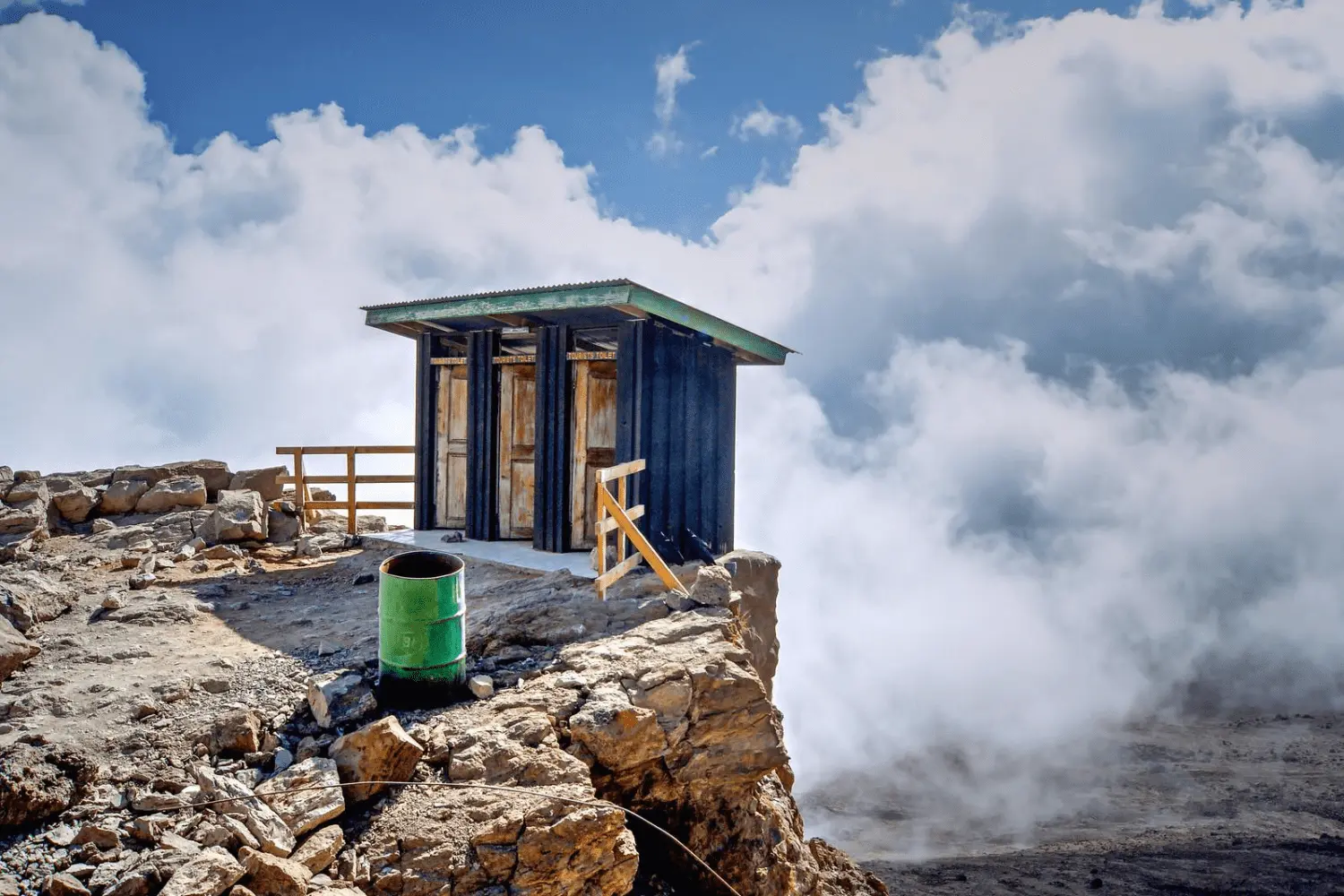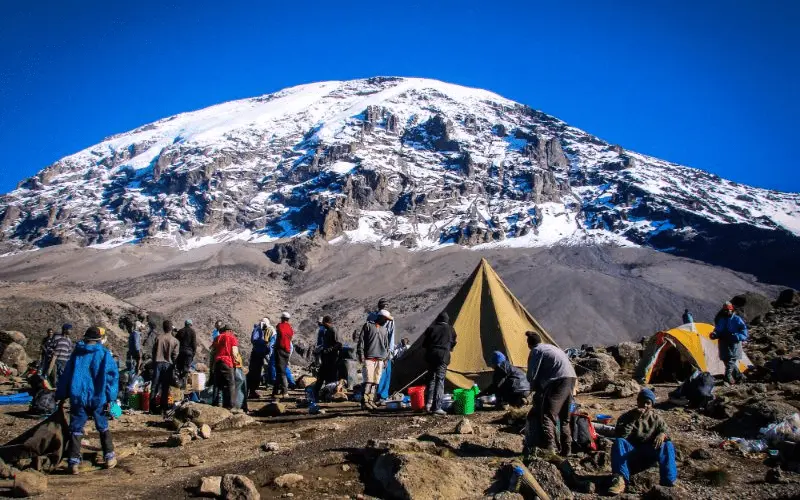
Kilimanjaro summit views
Tanzania · 5,895m Summit

Kilimanjaro Climbing Routes

Mount Kilimanjaro, Tanzania — 5,895m (19,341ft)

We don't just guide climbs; we study the mountain's moods. From the gentle slopes of Marangu to the wilderness of Rongai, discover the honest truth about each path to Africa's rooftop. No hidden fees. No inflated success claims. Just solid guiding, fair wages, and a genuine commitment to getting you to Uhuru Peak safely.

The routes to Uhuru Peak
Marangu Route
The Classic Hut Route

5-Day Marangu Ascent

Known as the "Coca-Cola" route, this is Kilimanjaro's only route with comfortable hut accommodations. Perfect for those who prefer beds over tents while experiencing the mountain's classic path.

$1,630 Details
Marangu Route Extended
Better Acclimatization

6-Day Marangu Mastery

Extended version with an extra acclimatization day. The same comfort of huts with smarter pacing for altitude adjustment. The extra day gives you more time to adjust before the summit push.

"Guide's Tip: The extra day at Horombo Hut gives you time to explore the saddle and adjust to the altitude."

$1,810 Details
Machame Route
The Scenic 'Whiskey' Route

6-Day Machame Route

The "Whiskey" route offers stunning varied landscapes and a better acclimatization profile than Marangu. More challenging but incredibly rewarding with breathtaking views across all climatic zones.

$1,810 Details
Machame Route 7 Days
Optimal Acclimatization

7-Day Machame Champion

Our most recommended Machame itinerary with an optimal acclimatization profile. The extra day ensures you're physically and mentally prepared for summit night's challenge.

"Guide's Note: This itinerary gives you two nights above 4,000m before summit night, which makes a real difference."

$1,900 Details
Umbwe Route
Advanced Climbers Only

6-Day Umbwe Challenge

The steepest and most direct route to Uhuru Peak. For experienced trekkers seeking solitude and a true climbing challenge with dramatic vertical gains and fewer crowds.

$1,990 Details
Rongai Route
Wilderness Experience

6-Day Rongai Wilderness

Approaching from the north near Kenya, this less-traveled route offers a unique perspective and true wilderness feel. The only route that starts from the northern side of the mountain.

"Guide's Secret: This route has the best views of Kilimanjaro's northern glaciers and sees only 5% of total climbers."

$2,200 Details
Lemosho Route
Most Scenic Route

7-Day Lemosho Journey

Widely considered the most beautiful route on Kilimanjaro. Excellent acclimatization profile with stunning scenery throughout, crossing the Shira Plateau with panoramic views.

$2,200 Details
Why climb with Zuhura
Certified Wilderness First Responder guides with 10+ years experience
Emergency oxygen and portable hyperbaric chamber on all climbs
High-energy, nutritious meals prepared by skilled mountain chefs
Fair wages and ethical treatment for all mountain staff
"Zero Impact Climbing" — we leave no trace on the mountain
Small groups with a 1:2 guide-to-climber ratio

Mountain ethics for 2026/2027

Zuhura Tours is pioneering sustainable climbing practices on Kilimanjaro. Our "Zero Impact Climbing" initiative ensures we leave no trace while supporting local mountain communities through fair wages and conservation fees that protect the ecosystem you've come to experience.

Inquire about our Sustainable 2026/2027 Climbing Programs →
Frequently asked questions

Which route should I choose?

It depends on your experience and preferences. Marangu is the easiest with hut accommodation. Machame offers better scenery and acclimatization. Lemosho is the most scenic. Rongai is the quietest. Umbwe is for experienced climbers only. Contact us for personalized advice.

How long does it take to climb Kilimanjaro?

Most climbs take 5 to 9 days. Longer routes have better acclimatization profiles and higher chances of reaching the summit. We recommend a minimum of 6 days for most climbers.

What fitness level do I need?

You need to be in good physical condition. Regular hiking or cardio training in the months before your climb is essential. You don't need to be an athlete, but you need to be able to walk for 4-6 hours a day at altitude.

What's the best time to climb?

The best times are January to March and June to October. These are the drier months with clearer skies. December and November can be wet, but they also offer fewer crowds and lower rates.

What's the difference between huts and camping?

Marangu is the only route with huts. All other routes use tents. Huts offer beds and a dining hall. Tents are more private but require carrying more gear. Both options are comfortable with the right preparation.

What's included in the price?

Park fees, camping/hut fees, guides, porters, cooks, all meals on the mountain, emergency oxygen, and airport transfers. International flights, visas, gear rental, and tips are not included.

Transparent Pricing · Expert Mountain Guides · Ethical Climbing Practices

Start Planning Your Summit